Pickleball has quickly become a favorite sport for people of all ages, attracting both casual players and those craving a real competitive edge. While learning the game’s basic rules is straightforward, there’s a lot more you can do to develop as a player. Many who pick up a paddle soon find there’s real depth to the game, especially once you get into advanced pickleball techniques. I’m excited to break down practical strategies and skills that can help you build confidence on the court and win more matches.
Key Advanced Techniques to Boost Your Pickleball Game
Pickleball has grown from simple backyard fun to a sport with thousands of tournaments and formal coaching. As you improve, learning advanced techniques becomes really important for taking your game up a notch. Adding these techniques to your game gives you more control, makes you harder to read, and helps you handle fast-paced rallies.
Understanding the value of advanced skills isn’t just for pros or tournament players. Even if you simply want to keep things interesting among friends, these techniques make the game more dynamic and enjoyable. In my own experience, adding new shots or tactics always makes playing more exciting and helps keep me engaged.
Getting Comfortable with the Nonvolley Zone (The Kitchen)
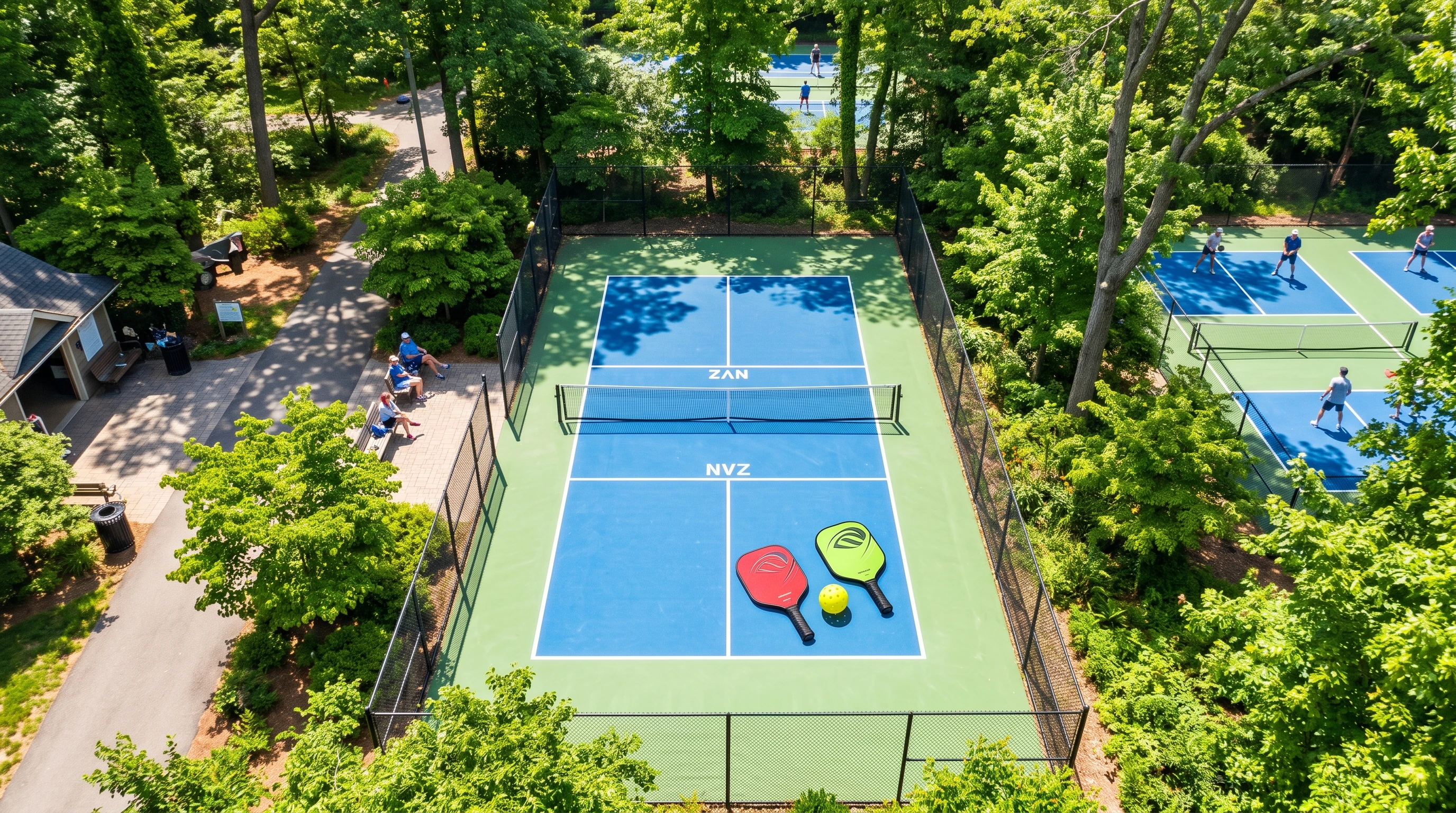
The nonvolley zone, usually called the kitchen, is one of the most talked-about areas in pickleball. What might first seem like a quirky rule actually adds a lot of depth to the sport. Controlling this area is a main part of playing advanced pickleball. Success here means better opportunities for winning points and keeping your opponents off balance.
- Dinking: Soft shots just over the net that land in the kitchen, designed to slow the game and force your opponent to move forward.
- Third Shot Drop: Often used as your team’s third shot, where you drop the ball softly into the kitchen to regain control or slow down an aggressive opponent.
- Volleys at the Line: Fast, reflex-based exchanges at the kitchen line require quick hands and stable positioning.
I regularly practice these shots because the kitchen is where some of the most intense rallies take place. My games get a lot more competitive when I stay patient and control the pace at the net.
Stepping Up Your Serve and Return Skills
The serve starts every point, but in advanced play, it’s much more than just getting the ball over the net. Putting more purpose into your serve and improving your return puts real pressure on your opponent and sets the tone for the entire rally.
- Power Serves: Hitting deep serves with pace targets your opponent’s weaker side and makes their return harder.
- Spin Serves: Adding topspin or sidespin can cause unpredictable bounces, making your opponent less comfortable with their return.
- Deep returns: Returning the ball deep keeps the serving team away from the net and gives you more control of the point.
Mixing up my serve placement and spin is one of the fastest ways I’ve found to interrupt an opponent’s rhythm. Consistency here often leads to easy points or weaker returns that I can attack.
Building Strong Net Play and Fast Reflexes
Advanced players spend a lot of time at the net, where hand speed and anticipation are everything. Quick volleys and sharp footwork are key tricks for keeping control in these fast exchanges. Working on net play has always helped me keep up during high-level games, especially doubles.
- Blocking: Using your paddle to redirect hard shots without swinging helps you handle drives at the net.
- Paddle Position: Keeping your paddle up and out front lets you react faster and cover more angles.
- Ready Stance: Feet shoulderwidth apart, knees bent, and staying on your toes keeps you moving and in control of each point.
If you can react quickly, you’ll defend against drive shots and surprise attacks effectively, making you a tougher opponent to beat.
Smart Shot Selection and Placement
Hitting the ball hard looks impressive but choosing where and how to hit matters most at advanced levels. I’ve learned that placing the ball in tough spots, like your opponent’s feet or toward the sidelines, is a simple way to win more points.
- Crosscourt Dinks: Playing soft shots diagonally lets you use more of the kitchen and forces your opponent higher and wider.
- Targeting the Weak Side: Spotting your opponent’s backhand or uncomfortable positions helps you keep the advantage.
- Changing Pace: Mixing soft and hard shots throws off your opponent’s timing and helps you stay unpredictable.
Developing this kind of awareness and control often sets apart solid intermediate players from those who frequently win at advanced levels.
Mastering the Soft Game for Control
The “soft game” focuses on low, slow, and controlled shots. Dinks, soft drops, and gentle volleys reduce error and force longer rallies, which really pays off against hardhitting or aggressive players. I find this tactic helpful when I’m up against opponents who rely too much on speed or power. Long rallies also build patience, which is crucial for advanced play.
- Resetting the Point: Using soft shots to regain control when under pressure keeps you in the rally and resets the tone.
- Consistency Over Power: Consistent soft shots in the kitchen are more likely to force mistakes from your opponent than going for power winners every time.
Spending extra time practicing soft shots has always paid off for me, especially in tight matches where every small advantage counts. Developing the ability to hit consistent soft shots gives you control not only on offense but also when things get hectic and you need to calm down the rally.
Handling Fastpaced Drives and Defensive Plays
Advanced pickleball means dealing with faster, more aggressive shots. Defensive skills are just as important as attacking ones when you’re facing advanced opponents and hard hitters.
- Blocking Drives: Use soft grip and minimal movement to absorb the impact of a fast ball and keep it low over the net.
- Lob Defense: Backpedal safely without turning away from the ball and position yourself for an overhead smash if needed.
- Anticipation: Watch your opponent’s paddle and body to predict where the next shot will go, giving you a split second advantage in fast rallies.
Whenever I feel overpowered during a match, focusing on solid defensive skills helps me stay in the game and wait for my moment to attack. To keep matches competitive, I often practice both resetting the ball and quickly shifting from defense to offense after a fast exchange at the net.
Using Deception and Spin
Making your shots harder to read with deception and spin keeps your opponent guessing. Adding a wrist flick for topspin or a quick fake before hitting helps disguise your intentions. These tricks make the game fun and rewarding at higher levels.
- Fake Dinks: Setting up as if you’re going for a soft shot but quickly accelerating your swing at the last second keeps your opponent moving and guessing.
- Sidespin Shots: Use your wrist to add sidespin, causing the ball to curve sharply and become unpredictable after it bounces.
- Wrong-Footing the Opponent: Slightly turning your hips or eyes in one direction and hitting in the other direction can leave your opponent flatfooted.
Once you feel comfortable with the basics, experimenting with trick shots adds another level to your pickleball experience and bolsters your confidence on the court. Being able to disguise your shots makes you much tougher to play against because your opponent is never quite sure what’s coming next.
What to Consider When Advancing Your Pickleball Skills
Improving your game can bring challenges that may seem frustrating at times. Understanding these helps you progress and enjoy steady improvements instead of getting stuck on a plateau.
- Consistency: Staying reliable in your shot selection and minimizing mistakes usually matters more than flashy winners.
- Footwork: Staying light on your feet and getting into position early allows you to handle tough shots, especially during intense rallies.
- Communication in Doubles: Talking openly with your partner about strategy, positioning, and who takes each shot cuts down on confusion and missed balls.
- Mental Toughness: Staying calm and focused under pressure or after a mistake can really help turn a match around.
Consistency
Reliable play is more important for sustained success than occasional big shots. My own experience has shown that stringing together five or six smart shots is much more effective than hoping for a quick winner. If you make fewer mistakes than your opponent, you are often more likely to win high-stakes matches.
Footwork
Good movement is crucial for every advanced player. Small, quick adjustments keep you balanced and help you cover the whole court. Developing strong footwork usually requires practice drills that mimic game-speed rallies, so you learn how to move intuitively in all directions.
Communication in Doubles
Clear calls like “mine” or “yours,” as well as sharing quick strategy ideas between points, help prevent errors and keep your team united. The best doubles pairs I’ve played with always talk between every point and make adjustments constantly. This communication also boosts trust and helps you cover more court effectively together.
Mental Toughness
Advanced pickleball is often a mental match just as much as a physical one. Taking a deep breath, focusing on the next shot, and letting go of previous mistakes can be a difference-maker when games get close. I try to develop routines to reset my focus and keep my nerves in check during high-stress moments, such as important points or tiebreakers.
All of these challenges are normal as you learn more advanced skills. The effort invested in building consistency, footwork, teamwork, and mental strength always pays off, whether you’re playing for fun or competing seriously. When setbacks happen, treat them as learning opportunities to keep moving forward.
Practical Drills and Practice Routines
Purposeful practice is the fastest route to improvement. I like to build drills into my weekly routine so I’m working on specific weaknesses and shoring up bigger areas of my game.
- Kitchen Dink Drills: Rally with a partner focusing on keeping every shot in the kitchen. This sharpens touch and patience in the shortest possible time.
- Third Shot Drop Practice: Stand at the baseline and hit drops into the kitchen consistently, aiming for accuracy and control over speed. Having a consistent drop shot gives you a perfect setup for advancing to the net securely.
- Serve Placement: Practice deep crosscourt serves or targeting just inside the sideline to expand your serve skills, making them harder to predict and increasing the likelihood of drawing weaker returns from your opponents.
- Fast Volley Exchanges: Stand at the kitchen line and volley back and forth as quickly as possible to develop reflexes and confidence under pressure. To make it more interesting, you can add specific targets or count how many volleys you can get in a row without mistakes.
Every session where I dedicate just 10 to 15 minutes per drill shows clear improvements in my matches. Making practice enjoyable and goal-oriented keeps you motivated and helps you notice progress faster.
Frequently Asked Questions
Many players new to advanced pickleball techniques often have questions as they develop their game:
Question: How do I improve my reaction time in fast net exchanges?
Answer: Regularly practice quick volley drills at the kitchen line and focus on keeping your paddle up and in front of your body. This readies you for faster responses in real matches. Also, try tracking the ball with your eyes until the last second to react as fast as possible.
Question: What’s the best way to practice dinking?
Answer: Rally with a partner in the kitchen area, using only dinks. Try to keep the ball low over the net and in play as long as possible to develop touch and patience. Setting challenges, such as minimum rally counts or aiming for specific targets, keeps these drills interesting.
Question: How important is spin in advanced pickleball?
Answer: Adding spin to your serves and groundstrokes increases your shot variety and makes it harder for your opponents to return. Start with small adjustments and experiment with wrist movement to find what works best for your style. Over time, you’ll get a feel for when to use spin and how much to apply based on your opponent’s responses.
Why Advanced Pickleball Techniques Matter
Adding advanced techniques to your skill set helps you play smarter, not just harder. Better shot choices, smart movement, and strong mental skills keep your game interesting and fun even as you tackle tougher competition. There’s always something new to learn or practice, no matter your level. Each new technique gives you more options, makes you a more versatile player, and most importantly, keeps you enjoying and loving the game.
Sticking with regular practice, experimenting with new shots, and having fun while learning are my favorite parts of this fast-growing, super enjoyable sport. Whether you’re chasing medals or just getting better for social games, taking the time to push your skills will make pickleball a lifelong passion.