Graphite paddles have quickly become a popular choice for many pickleball players, from beginners to those with more experience. The right paddle can really influence how you feel on the court and how much control you have over your shots. My first experience with a graphite paddle was eye-catching—it felt lighter in my hand and gave me a sensation of quick reaction that I hadn’t found with other materials. In this article, I’ll share why graphite paddles are worth considering, how they compare to other types, what you should think about before choosing one, and I’ll answer common questions about them too.
Why Choose Graphite Paddles for Pickleball?
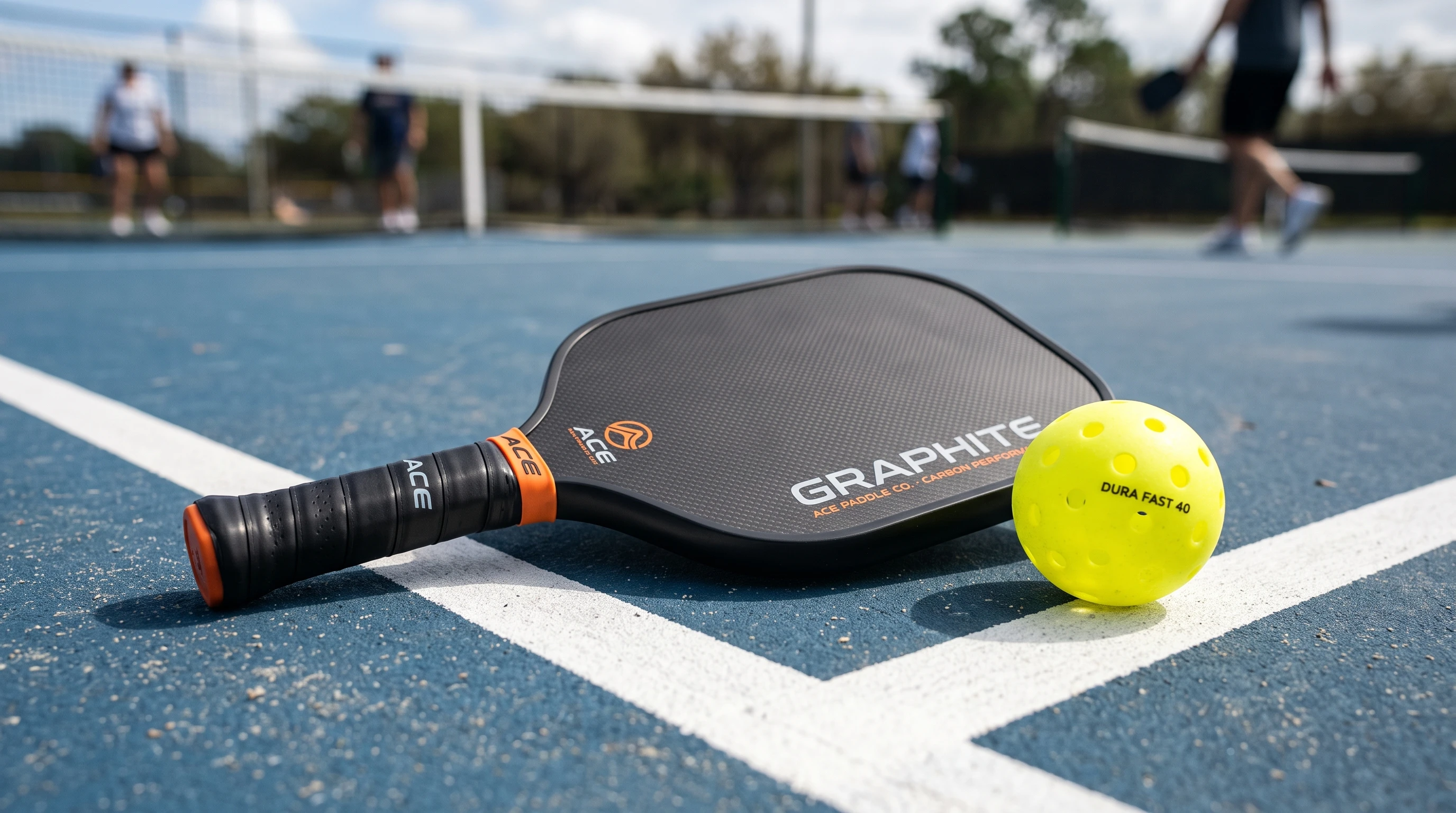
When I made the switch to a graphite paddle, the first thing I noticed was the impact on my play style. Graphite paddles are constructed with a thin layer of graphite on the paddle’s surface, usually wrapped around a lightweight core like polymer or Nomex. This combination creates a paddle that is both strong and exceptionally light.
The thin graphite layer offers a solid feel when the ball makes contact. This helps with touch shots and fast exchanges at the net. For someone like me who likes to play both singles and doubles, the paddle’s versatility really stands out.
Key Advantages of Graphite Paddles
Pickleball is all about control, comfort, and the confidence to make quick adjustments. From my experience, graphite paddles deliver in several areas:
- Lightweight Construction: Most graphite paddles weigh between 7-8 ounces. This lighter weight means I can react quickly and adjust my swing mid-rally without feeling weighed down.
- Quick Response: The combination of graphite surface and a responsive core means that outgoing shots feel crisp. I’ve found my reflexes are better supported, especially during fast volley exchanges.
- Stepped Up Ball Control: I can better control where the ball goes. The paddle is more forgiving for dinks, soft drops, or angled shots.
- Durability: Graphite is a very hard material. I’ve had my paddle for several seasons, and it holds up well even after frequent play and the occasional indoor or outdoor switch up.
Players who suffer from wrist or elbow pain often find that a lighter graphite paddle helps tone down strain. The balance of weight and strength lets me play longer without discomfort. For those coming from racquet sports like tennis or badminton, using a graphite paddle can make the learning curve gentler and help you get into a rhythm much faster.
The Basics: How Do Graphite Paddles Differ from Other Paddle Types?
With so many paddle materials available, it helps to understand how graphite stands apart. Some paddles are made primarily with composite or wood, each with its own set of characteristics.
- Wood Paddles: Heavy and usually less expensive, these paddles are more suited for absolute beginners or recreational use.
- Composite Paddles: These use fiberglass, carbon fiber, or other blends. They offer a range of weights and surface textures for different playing styles.
- Graphite Paddles: The thin graphite surface adds quickness and control while keeping the weight low. These paddles also tend to be less noisy than some composite options, which is nice for indoor play.
One thing I noticed with my first graphite paddle was the unique blend of power and finesse. Smashes felt strong, and the paddle didn’t feel bulky. It helped me develop a softer touch, which is super important for third-shot drops and net play. Unlike heavy paddles or those with more textured faces, graphite offers a smoother contact point that can make your controlled shots sharper and more specific to your intentions.
Deciding if a Graphite Paddle Is Right for You
Before getting a graphite paddle, I spent a lot of time checking out my own play style and what features mattered most. Here are a few things to think about if you’re in the market for a new paddle:
- Weight: If you like to play long sessions or have any arm pain, the lighter weight can be a game changer for comfort and endurance.
- Grip Size: Make sure the paddle’s handle is comfortable for your hand. Many graphite models offer various grip thicknesses. An ill-fitting grip can lead to blisters or slipping.
- Core Type: The core, usually polymer or Nomex, impacts feel and power. I prefer a polymer core for its softer touch and quieter hit, but Nomex cores offer more pop for those who love driving the ball.
- Budget: Graphite paddles can be more expensive than wood, but the durability and extra performance make it a smart investment for frequent players or anyone looking to step up their game.
Trying out different paddles from clubmates before buying helped me figure out what felt best for my swing and hand size. Local clubs or stores may let you demo one before you buy, which is a good way to avoid buyer’s regret. Be sure to also factor in the type of play you find most fun—whether you’re a net player or love smashing from the baseline, different graphite paddles can bring out the best in these roles.
Tips for Maximizing Your Graphite Paddle Performance
Getting the most out of a graphite paddle comes down to technique and a little maintenance. Here are some tips that have helped me enjoy my paddle for longer:
- Warm Up Your Wrist: Quick wrist flicks and fast-paced exchanges benefit from being properly warmed up. It reduces the risk of strain and lets you react faster in a tight spot.
- Keep the Paddle Clean: Sweat, dust, or ball residue can build up over time. I use a damp cloth and a bit of mild soap to keep the surface in top condition. Staying on top of this not only makes it look good, but also keeps the grip firm.
- Adjust Your Grip: A relaxed grip helps you tap into the graphite’s natural pop without losing control. Switching my grip pressure depending on the shot keeps me balanced and ready for quick changes.
- Protect the Edge: Edge guards protect the paddle from chips and scrapes. My paddle has lasted much longer since I started being more mindful about where I set it down between games, especially on rough outdoor courts.
- Test Paddle Angles: The thin graphite face allows you to experiment with spins and slices. I started to really appreciate the paddle once I practiced different angles and shot types, adding a whole new layer to my shot selection.
Consistent maintenance and experimenting with shots can really let the strengths of a graphite paddle shine through, whether you’re practicing drops, drives, blocks, or trying to impress your friends with tricky spins. Make the paddle your own by developing habits that keep it in top shape and learning new moves that show off its strengths.
Common Questions About Graphite Pickleball Paddles
Many players have similar questions when looking at graphite paddles. I’ve answered a few that come up in daily conversations around the court:
Question: Are graphite paddles good for beginners?
Answer: Yes, they are often recommended for new players because of their light weight and easy maneuverability. Having more control helps develop technique and confidence faster—even if you’re brand new, you’ll feel the difference from your first practice game.
Question: How long does a graphite paddle typically last?
Answer: With normal recreational use, a graphite paddle can last several years. Competitive players might notice the surface wear sooner, especially if playing several times a week. Keeping it out of extreme heat or cold can also give it a longer lifespan.
Question: Do graphite paddles create more power or more control?
Answer: Graphite paddles offer a blend of both. The light weight helps with speed and control, while the strong graphite surface can introduce extra pop when you swing with confidence. Your own style will determine whether you get more power or control, but the paddle leaves room for both.
Question: Can I use a graphite paddle for both indoor and outdoor play?
Answer: Yes, graphite paddles work well for both. They are durable enough to withstand outdoor conditions and responsive enough for the faster indoor game. I switch between surfaces all the time without issue, and I’ve rarely had to worry about serious wear or fading performance.
Practical Applications and Play Styles
Graphite paddles are popular among both power players and those who rely on quick hands at the net. I know players who favor a rapid dink and drop strategy and those who prefer baseline drives; both can take advantage of the paddle’s attributes.
- Competitive Play: Lighter paddles mean quicker resets and less fatigue during tournaments or longer matches. When every point counts, not having to wrestle with a heavy paddle is a major plus.
- Recreational Play: Even casual games feel more enjoyable when the paddle is easy to control and less tiring to swing. If you’re playing with friends or family, it makes long sessions far more fun.
- Cross Training: If you play tennis or table tennis, the feel of graphite might remind you of those lighter rackets or paddles, making the transition to pickleball smoother. The skills, especially wrist speed and control, transfer over easily.
I’ve seen both older and younger players benefit, especially those looking for less stress on the shoulder or elbow. The paddle adapts well across ages and skill levels. Seniors often find relief from fatigue, while juniors benefit from the fast learning curve and confidence that comes from better control.
Final Thoughts
Graphite paddles bring together lightness, responsive surface, and solid durability. My personal experience has shown me that investing in a good graphite paddle can really give a boost to comfort and technique and lets you play longer and recover faster after tough matches. If you’re exploring new equipment or thinking of upgrading, trying a graphite model could be a really good next step.
With the right graphite paddle, you’ll notice the difference in your control, reaction speed, and overall enjoyment of the game. Happy hitting! And remember: the best way to make the most of a paddle is to keep playing, learning, and having fun out there.