Setting up your own pickleball court can be a fun project, and using portable line marking kits is an easy way to make it happen. Whether you are turning your driveway, backyard, or local gym floor into a play zone, a good court marking kit helps keep things clear, fair, and consistent. I’m sharing what I’ve learned about these kits and offering advice to help you pick the right one for your DIY needs.
What is a Portable Pickleball Court Line Marking Kit?
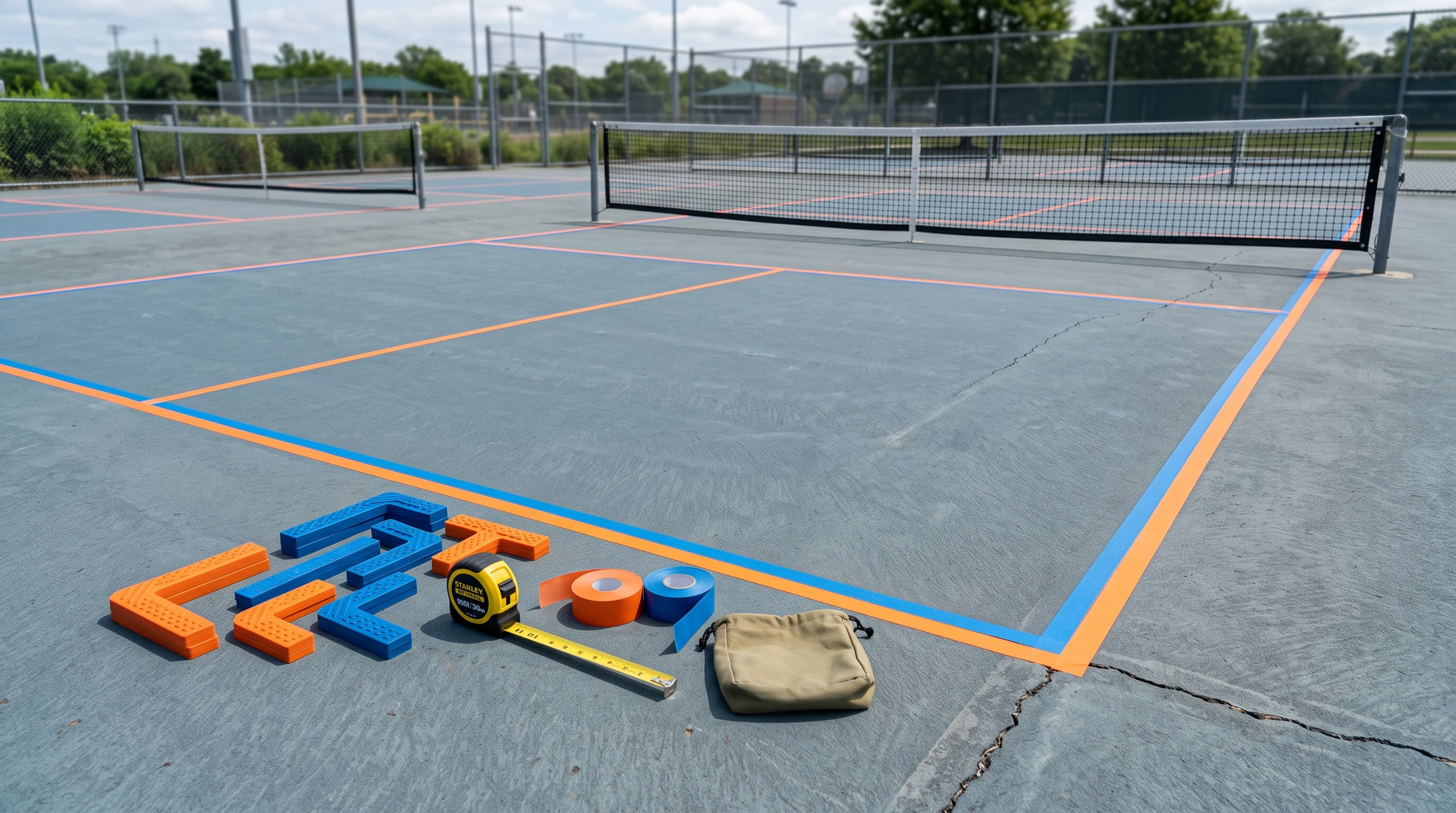
Portable pickleball court line marking kits include everything you need to mark the boundaries of a regulation or temporary pickleball court. These kits typically come with materials like tape, chalk, or reusable markers that lay out the court’s lines. The idea is to give you a way to set up a court quickly without having to paint or permanently alter the playing surface.
Pickleball started gaining popularity as a backyard and community sport because of how easy it is to learn and set up. According to the USA Pickleball Association, the sport’s growth in the last few years is partly due to this flexibility. You can turn almost any flat area into a temporary playing surface, and portable kits make that possible with clear, accurate boundaries.
Key Components and How They Work
Most portable line marking kits fall into a few categories by material. Here’s what you’ll usually find in these kits and how each works for DIY pickleball setups:
- Adhesive Court Tape: Durable tape that sticks to various surfaces like concrete or wood. It’s often bright in color and can handle repeated play, but it may leave some residue on certain floors.
- Adjustable Line Markers: Plastic or rubber strips or T-shaped markers that you lay on the ground. These are super easy to pick up and move and do not stick to the floor.
- Chalk or Spray: Temporary marking sticks or spray chalks that create visible lines. These are usually best for outdoor or rougher surfaces and wash away after play or with time.
- Measuring Tools: Some kits include a measuring tape or templates to make sure your lines are the right length and width for regulation pickleball dimensions.
Each option offers different pros and cons, and which works best for you will depend on your intended use, the surface you’re working with, and how permanent you want your court to be.
Why Use a Portable Kit Instead of Permanent Marking?
I picked a portable kit for my first DIY court because I didn’t want to deal with messy paint or risk damaging my driveway. Temporary kits offer big advantages for people who:
- Use multipurpose spaces, like gyms or shared driveways.
- Want to remove lines easily after play.
- Are renting or do not want to make permanent changes.
- Like to transport their kit for use at different spots.
Permanent paint may last longer, but if you need flexibility, quick setup, or a no-fuss solution, a portable marking kit is a good pick. They also save you time and energy—you can be ready to play in less than thirty minutes if you’re familiar with court setup.
Simple Steps to Mark Out a Court With a Kit
Setting up a pickleball court with a portable kit is pretty straightforward. I usually follow these steps:
- Find a Flat Spot: Look for a space at least 20 feet wide by 44 feet long for a full-size court, or use smaller dimensions if you’re improvising.
- Lay Out the Court: Use a tape measure or included template to outline the court’s boundaries and key zones (baseline, sidelines, nonvolley zone, and centerline).
- Apply the Markers: Place or stick down your chosen line material. Double-check measurements, because accuracy at this stage makes for fair games later.
- Double Check Everything: Walk the boundaries and make sure all lines are visible and straight.
I’ve found it helpful to have a friend hold the end of the tape measure or keep the tape straight while I stick or lay it down. Working as a team makes the setup smoother and more fun.
Main Things to Consider When Choosing a Court Line Marking Kit
Getting the right kit is easier if you keep a few basic considerations in mind. Here’s how I choose what works for my setup:
- Surface Compatibility: Some tapes stick better to smooth concrete or wood, while chalk and certain markers handle rough outdoor surfaces better.
- Reusability: I like kits that let me pack up the lines and use them again without much hassle.
- Visibility: Bright, contrasting tape colors make it easier to see the boundaries, which helps during fastpaced play or in low light.
- Cleanup: If you’re marking gym floors or driveways, choose tape or markers that don’t leave residue and can be removed easily.
- Size and Regulation: Double-check that the kit lets you lay out a regulationsized court (20 feet by 44 feet) if you want to play by official rules. Some kits also offer halfcourt setups for tighter spaces.
Spending a few minutes reading product reviews or checking the surface where you’ll play can help avoid frustration later. I often check product listings or ask other players what has worked best for their situation.
Common Problems and How to Dodge Them
- Tape Peeling Up: Moisture, dust, or rough surfaces can cause some tapes to peel. Cleaning the floor before applying tape helps it stick longer.
- Faint or Fading Lines: Chalk works great but fades after heavy use or rain. Quick touch-ups now and then help keep everything visible.
- Misaligned Courts: Not measuring or rushing through setup can leave you with uneven boundaries. Using a measuring tape and working slowly at first keeps lines straight.
- Damaging Surfaces: Sticky tapes can sometimes leave marks, especially on sensitive or painted floors. Testing a small strip in an out-of-the-way corner lets you avoid surprises.
Cleaning Up and Moving the Court
Cleaning up is fast if you’re using a portable marking kit. Most tapes peel off with little effort, though you might need to wipe away light residue with warm, soapy water. Chalk lines wash away with water or come up using a broom. Rubber markers can be gathered and packed back in the kit box for the next use. I usually store my kit in a small bin in the garage so it’s ready anytime I want to play.
Ways to Get Creative With Court Marking
One cool part about portable pickleball marking kits is the potential for flexibility. I’ve marked halfsize courts for practice in tight driveways or added extra boundary lines for more advanced drills. Some friends use different tape colors for service boxes or “kids’ play” zones, making the court adaptable for all skill levels or ages. If you host pickleball parties or clinics, portable kits let you adjust layouts as needed.
If you want to further personalize your setup, you can look for fun accessories or stencil kits that let you add custom logos, team symbols, or other unique touches to your court. Mixing in cones or pylons can help with training exercises or teaching new players the rules. This also helps keep kids engaged during family play sessions. In the end, the ability to switch things up keeps the game fresh and makes your court truly your own.
Real-World Example: My Experience Using a Portable Kit
The first time I set up a pickleball court using a portable tape kit was in a community gym. The process took under thirty minutes even though the space was used for several different sports. Everyone liked the clear lines, and I appreciated being able to take everything home at the end of the day. On another occasion, I helped a neighbor transform their empty driveway for a summer tournament. The tape left no marks after we pulled it up, and the reusable measuring guides made lining up the court super easy for next time.
- Multipurpose Spaces: Shared basketball courts or driveways can turn into pickleball courts and back in no time.
- School Gyms or Parks: Teachers and rec leaders use these kits for pop-up events without making permanent marks.
- Home Fun: Weekend games in the backyard or on the street are an easy setup with a portable kit.
FAQs About Portable Pickleball Court Marking Kits
Question: Do I need special skills to use a kit?
Answer: Not really. If you can use a tape measure and follow simple instructions, you’ll be able to lay out lines. It’s even easier with a friend to hold ends and help double-check measurements.
Question: Will tape or markers damage my driveway or gym floor?
Answer: Most high-quality kits use tape designed to be removable, but it’s a good idea to test a small area first, especially if the floor has a painted or sensitive finish.
Question: How long does a set of tape or chalk typically last?
Answer: How long the markings last depends on weather, play frequency, and the kit quality. For frequent outdoor use, you may want to refresh lines every few weeks. Reusable plastic markers last longer with no wear at all.
Pickleball Court Marking Kits: My Top Tips
My best advice from years of setting up DIY courts: go for kits that match your needs and playing surface. Invest in a kit with clear instructions and reliable reviews for good results. Always clean your surface before marking, double-check court measurements, and store your kit for next time.
Whether you want to host friendly games or give your family a new weekend activity, portable pickleball court line marking kits make it quick and simple to play almost anywhere. The flexibility to set up, take down, and reuse your court opens up more possibilities for pickleball, no matter where you are.