AI-powered technology is changing how athletes and coaches approach pickleball training. What used to be a sport driven mainly by personal practice and peer feedback now includes detailed analytics and custom coaching powered by artificial intelligence. I have seen firsthand how these upgrades make learning new skills simpler, more efficient, and sometimes a lot more fun. In this article, I’ll show you how AI is making a real impact in the world of pickleball training, especially for players looking to get better, learn smart strategies, and see faster results.
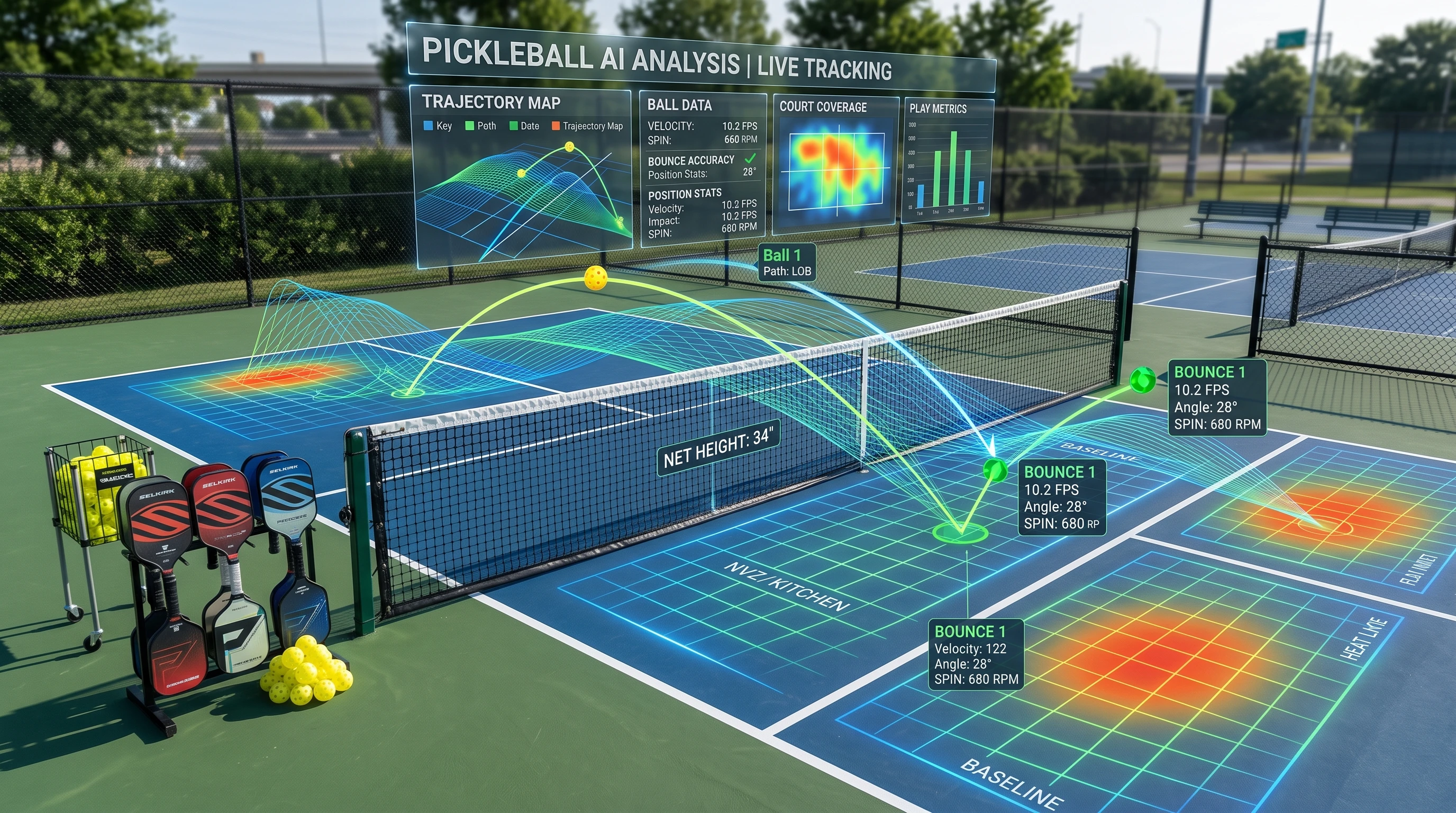
AI Tools Changing the Way We Train for Pickleball
AI’s influence in sports training is growing fast, and pickleball is now seeing developments that were once mostly available in larger sports. Smart paddle sensors, computer vision, and motion tracking are just some of the tools popping up on courts everywhere. Many training systems come with mobile apps that break down your rallies, shot types, and footwork. AI can compare your playing style to pros and give you practical advice for small improvements, which adds up to real change on the court.
Modern AI-based pickleball tools focus on four main areas: tracking performance, suggesting techniques, analyzing strategy, and offering feedback in near real time. Access to this kind of support means I can look at my progress and train at my own pace, whether I’m working with a coach or practicing solo. If you want to make practice more interesting, these AI tools can give a boost to your sessions without making things more complicated.
Getting Started With AI-Boosted Pickleball Training
Setting up with AI in pickleball is a lot less intimidating than it sounds. Most solutions on the market are designed for people who don’t have a tech background. Simple wearables, smart paddles, and plug-and-play court cameras can turn any practice into a data-rich session.
Bigger clubs sometimes offer allinone AI centers that provide automatic video feedback and shot tracking. For the garage or driveway player, affordable smart sensors that attach to paddles can send every swing’s data to your phone. Here’s what I usually recommend you look out for when choosing AI-based training tools:
- Usability: Choose products with straightforward apps or displays. Complicated dashboards only distract from actual practice.
- Compatibility: Ensure sensors or cameras work with your preferred paddles or devices.
- Feedback Speed: Good tools give results right after your session or even in real time, so you can correct mistakes immediately.
A Quick Guide to Using AI for Smarter Pickleball Practice
Adopting AI tools into your pickleball routine is less about replacing traditional drills and more about adding extra guidance. Here are some simple ways I’ve used AI to get better outcomes from practice sessions:
- Start Small: Begin with one tool, like a paddle sensor or a phone app, and use it long enough to understand your playing patterns.
- Track Key Data Points: Monitor shot speed, shot accuracy, shot type (forehand, backhand, dink), and rally consistency.
- Set Unique Goals: Target a stat you want to improve, such as reducing errors or boosting serve speed.
- Review and Adjust: Analyze automatic reports after practice. Tweak your technique based on suggestions and watch for trends week by week.
- Mix In Feedback: Combine AI analyses with a coach’s advice to get well-rounded guidance.
Using these steps, I regularly spot new areas for practice, and I can watch my progress in ways that would be tough without smart technology. It’s also helpful to check your improvements over time, seeing which habits stick and which need more attention.
Things to Consider Before Getting Into AI-Driven Pickleball Training
While AI brings many benefits, there are some things worth reflecting on before adding these systems to your training. Most common are cost, data privacy, and the chance of becoming too focused on the numbers and losing touch with the fun side of the game. Here’s how I handle each challenge:
- Cost: Entry-level sensors and software are affordable, but full systems can add up. Make your first investment practical. Try free or low-cost apps before buying expensive wearables or cameras.
- Data Privacy: Some AI platforms collect and store your game data, including videos and GPS. If privacy matters to you, review the product’s policies or choose apps with local storage features.
- Information Overload: More data can be helpful, but too much can be overwhelming. Focus on a few statistics that match your goals, and check your progress in small chunks instead of constantly midplay.
Handling Cost Concerns
Prices for AIbased pickleball tools vary widely. If I’m advising a beginner, I always start with simple, budgetfriendly trackers that capture swing speed and accuracy. Stores sometimes offer refurbished products or demo versions at lower prices, and many training apps allow free trials. You can also look for secondhand equipment from advanced players upgrading their tech.
Protecting Your Data
Some brands share data with coaching programs or use it to refine their AI. I always double-check privacy policies, turn off automatic uploads where possible, and delete old or unneeded session data regularly to keep my game private. Remember to make use of tools that allow you to control what gets uploaded and stored.
Focusing On Improvement, Not Obsession
When I first tried paddle sensors, I spent too much energy worrying about numbers instead of having fun. Now I use AI analysis a couple of times a week to review my basics and then let myself play without thinking too hard about stats in every game. Keeping the experience fun and staying connected with your instincts are just as important as watching the data.
Advanced Training: How AI Gives Competitive Players a Distinct Edge
Players interested in taking their skills to a higher level are seeing AI become a real gamechanger. I see more clubs installing court cameras with motion recognition that tracks each player’s position, shot choices, and movement efficiency. Some tools even evaluate your strategic decisions during a match and offer video breakdowns with tactical suggestions. These improvements are making practice smarter for everyone, from local tournament hopefuls to professionals traveling on a tight schedule.
AI Boosted Video Analysis
Automated video breakdowns are now reaching recreational clubs. Upload a game video, and AI highlights both mistakes and good plays, calling out tendencies you might not notice on your own. The best systems suggest practice drills based on the exact kind of shots that are costing you points. Over time, this targeted feedback can really help you understand not just what went wrong, but how to fix it.
Virtual Coaching and Match Simulation
AI-powered “smart coaches” are available through mobile apps or online platforms. These systems recommend personalized practice routines based on current stats and simulate match scenarios. I find these especially handy for training outside regular club hours or when playing partners are unavailable. Practicing with these simulation tools can give you fresh ideas for strategy and game management.
Common Applications of AI For Different Pickleball Players
AI-based systems serve a range of players with different needs and ambitions. Here are some of the ways I see them in action:
- Beginners: Paddle sensors and shot trackers deliver real time feedback to build good groundwork on technique.
- Club Players: Video and movement analysis platforms catch subtle errors, like foot placement or paddle position, that coaches might miss in a busy clinic.
- Competitive Athletes: Match analysis and scenario simulators provide specific guidance by comparing your tactics to high-level opponents.
When I first started using AI trackers at my local club, I was surprised by how quickly I learned to adjust my serve angle and rally length to avoid careless errors. I also used AI-suggested exercises at home when I didn’t have a hitting partner. No matter your level, AI options can meet you where you are and help you progress faster.
Frequently Asked Questions
Here are some questions pickleball players often ask as they explore AI products:
Question: Do you need special equipment to use AI pickleball training tools?
Answer: Many AI systems work with standard paddles or balls, while others might require adding a motion sensor or using a compatible app. Always check for compatibility before buying.
Question: Does AI coaching replace in-person coaching?
Answer: AI is great for day-to-day feedback and self-improvement, but combining smart tools with an experienced coach brings the best results.
Question: Is AI training useful if you’re just playing for fun?
Answer: Absolutely. Beginners or casual players find AI systems helpful for spotting early technique mistakes and staying motivated through small achievements recognized by the app.
My Take: Why AI in Pickleball Training Is Worth Trying
I’ve used a mix of sensors, video analysis apps, and feedback tools and found significant value in the small adjustments AI helps me make. Progress in pickleball, like in any sport, is about steady improvement, and getting fast, objective feedback is really important for keeping motivated and tracking where you stand over time. If you’re a beginner, start slow and see which tools fit your style. If you’re aiming to win your next tournament, smart tech can help refine those last few details that make the difference. Either way, AI in pickleball training is making it easier to enjoy practice, learn quickly, and give a boost to your game, one play at a time.